

Running in Winter: Cardiovascular Stress, Breathing, and Safety Tips
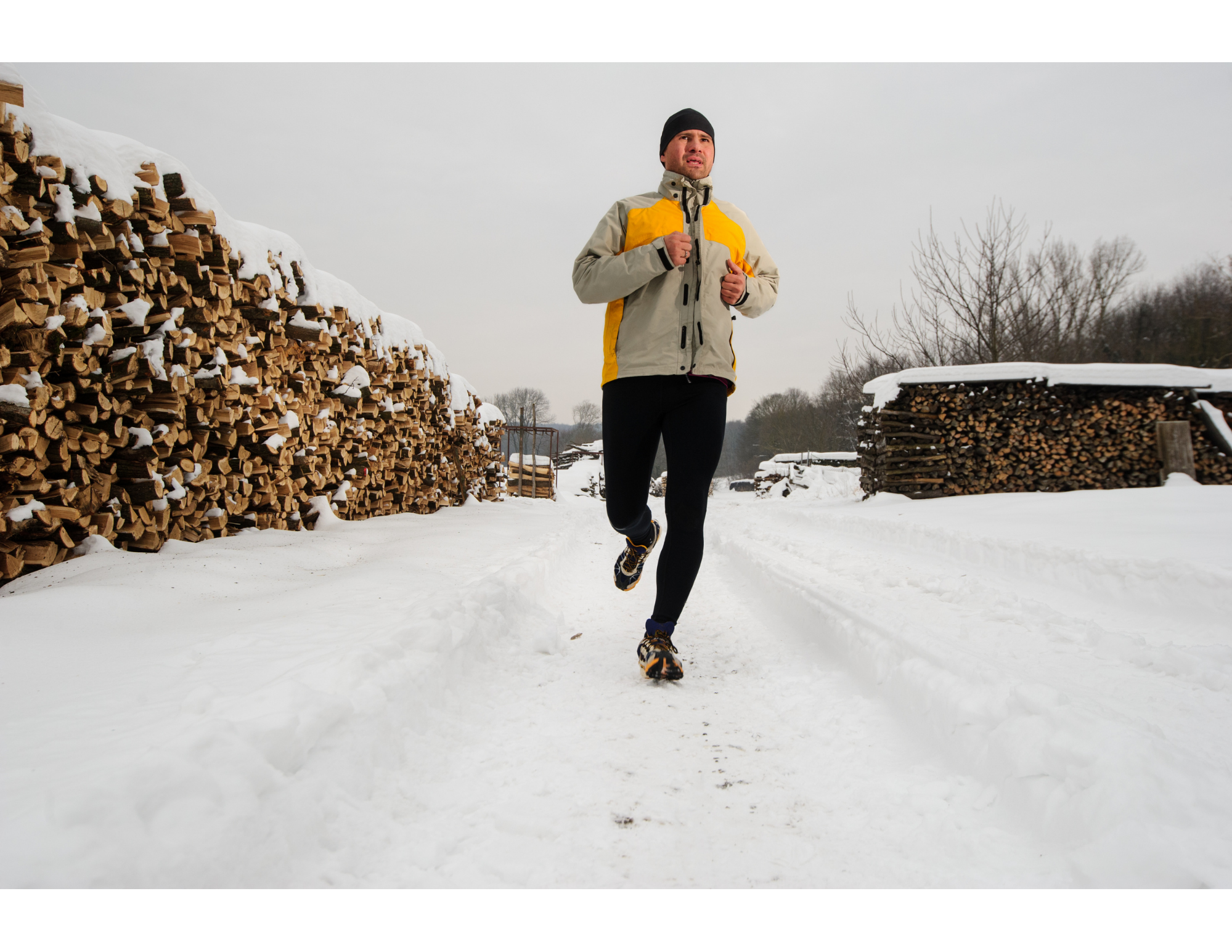
By Dr. Amnon (Ami) Beniaminovitz, MD, FACC
Founder & Cardiologist, Vivify Medical
Winter training feels different for me. I run year round, and winter is the season when I pay closer attention, both in my own running and in my patients. Cold has a way of exposing things the rest of the year can hide.
This is what most winter runners never consider. Cold weather doesn't just feel harder. It places significantly more strain on your heart, even when your pace hasn't changed. When your body is exposed to cold, blood vessels constrict to preserve core temperature. Your heart has to push blood through narrower vessels while also generating heat and delivering oxygen to working muscles. The result is a higher heart rate and blood pressure at the same pace that feels comfortable in warmer months. That "easy" January run feels harder because your body is doing multiple jobs at once, not because your fitness disappeared.
Studies show that exercising in cold environments can increase cardiovascular workload by roughly 10 to 30 percent due to peripheral vasoconstriction and elevated blood pressure responses (Castellani and Young, 2016; Kenney et al., 2004). That extra effort is happening whether you notice it or not.
When winter running becomes a real risk
If you have high blood pressure, asthma, heart disease, or recently recovered from illness, cold exposure amplifies cardiovascular risk (Franklin et al., 2015). Chest tightness, dizziness, or unusual fatigue aren't signs to push through. They're warning signals demanding attention.
Winter running isn't about toughness. It's about understanding what your body is managing. Longer warm-ups, easier paces, smarter layering, and attention to symptoms matter more than hitting mileage targets. At Vivify Medical, we help runners understand how their cardiovascular system responds to environmental stress, not just training stress.
Pay attention to how cold affects your effort, breathing, and any unusual symptoms. If something feels off, it deserves more than denial—it deserves assessment.
The Breathing Issue
That tight, burning feeling in your chest isn't a weakness. Cold, dry air narrows airways, particularly in endurance athletes (Anderson and Kippelen, 2012). A loose buff or neck gaiter helps warm incoming air without restricting oxygen. can ask too much of lungs and heart simultaneously. That's why they can feel miserable.
Why Warm-Ups Matter More
Cold muscles and blood vessels don't like being rushed. What works in summer (a quick jog and go) can send your heart rate climbing before your body is ready in winter. Ten to fifteen minutes at a truly easy pace gives circulation time to open up and pressure time to settle (Shephard, 1993). Skip this, and the first mile can be more than more than you bargained for.
Have you noticed your heart rate or effort climb faster during winter runs?
📍 Manhattan | 💻 Now accepting new patients
📞 212-480-9500