

Heart Attack
Cardiology & Preventive Heart Care Practice Located in the Financial District, New York, NY
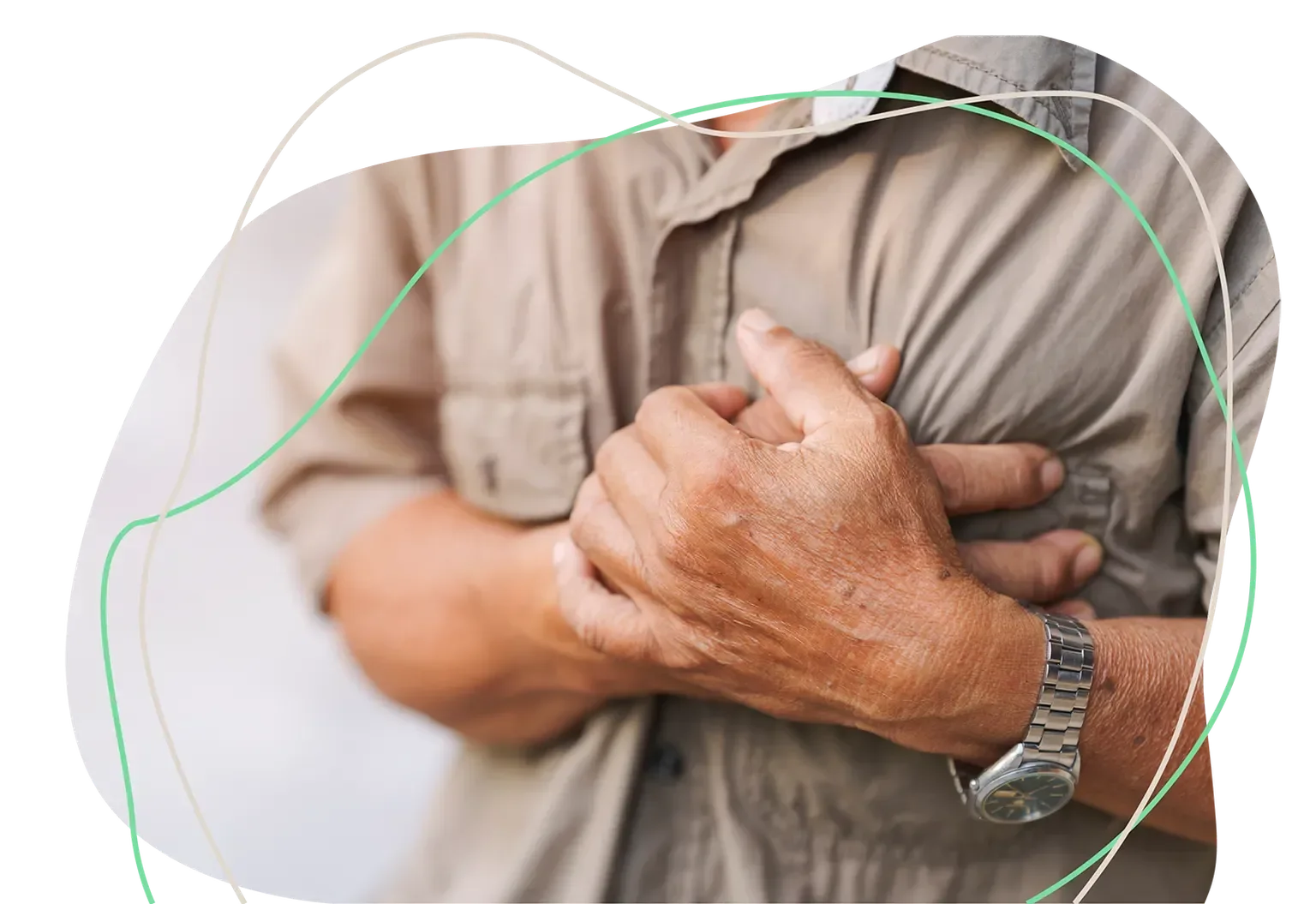
If you’re overweight or have conditions like high blood pressure (hypertension) or diabetes, your risk for a heart attack increases significantly. Vivify Medical provides comprehensive cardiac care for adults in the Financial District of Lower Manhattan, including personalized aftercare plans to support full recovery after a heart attack. Board-certified cardiologist Dr. Amnon Beniaminovitz, MD, prioritizes both prevention and long-term heart health. He offers routine cardiac screenings to identify coronary artery disease and other risk factors that can lead to unexpected cardiac events. Call Vivify Medical today to schedule a heart attack consultation or book an appointment online.
What is a heart attack?
A heart attack (myocardial infarction) is a life-threatening emergency that occurs when blood flow to part of the heart muscle becomes blocked. Without oxygen-rich blood, heart tissue begins to die.
The most common cause is coronary artery disease (CAD), which develops from atherosclerosis, a buildup of plaque (cholesterol, fat, and inflammatory cells) inside the arteries. If plaque ruptures, a clot can form and suddenly block blood flow.
What causes a heart attack?
The primary cause is blocked coronary arteries due to plaque buildup. Over time, narrowing arteries restrict blood flow and increase the risk of clot formation.
Major risk factors include:
High blood pressure (hypertension)
High cholesterol
Diabetes
Obesity
Smoking
Sedentary lifestyle
Chronic stress
Family history of heart disease
Age (risk increases after 45 in men, 55 in women)
Routine cardiac screenings at Vivify Medical can help detect these risks early.
What are the symptoms of a heart attack?
Heart attack symptoms can vary from person to person. Some individuals experience intense chest pain, while others have milder or atypical symptoms.
Common warning signs include:
Chest pain or pressure (angina)
Heart palpitations
Shortness of breath
Lightheadedness or dizziness
Nausea or stomach discomfort
Pain radiating to the arm, neck, jaw, back, or abdomen
Unexplained fatigue
Symptoms can sometimes resemble anxiety or panic attacks. However, if you experience sudden or severe symptoms, call 911 or go to the nearest emergency room immediately.
After hospital discharge, schedule a follow-up consultation with Dr. Beniaminovitz for structured aftercare and long-term heart health management.
What happens after a heart attack?
Emergency treatment takes place in the hospital and may include:
Clot-dissolving medications
Angioplasty and stent placement
Coronary artery bypass surgery (CABG)
After discharge, ongoing cardiac care is critical to prevent future events.
Medication management (statins, blood pressure medications, antiplatelets)
Cardiac rehabilitation guidance
Cholesterol and blood sugar monitoring
Lifestyle modification planning
Advanced cardiac imaging and testing
How is a heart attack treated?
Emergency treatment focuses on restoring blood flow to the heart as quickly as possible to prevent permanent damage.
Treatment options may include:
Medications to dissolve clots, reduce blood pressure, or stabilize heart rhythm
Angioplasty and stenting, a minimally invasive procedure to open blocked arteries
Coronary artery bypass surgery (CABG) in more severe cases
After the acute event, Dr. Beniaminovitz develops a personalized recovery plan that may include:
Cholesterol-lowering medications (such as statins)
Blood pressure management
Diabetes control
Cardiac rehabilitation
Nutrition and exercise guidance
Weight management strategies
Why choose Vivify Medical for Heart Attack Care?
Board-certified cardiology expertise
Integrated cardiology, internal medicine, and primary care under one roof
Advanced diagnostic imaging
Personalized prevention plans
Comprehensive aftercare programs
Located conveniently in the Financial District of Lower Manhattan
Modern, patient-centered approach
Dr. Beniaminovitz focuses not only on treatment, but on reversing risk factors and protecting your long-term cardiovascular health.
Frequently Asked Questions
-
If you have high blood pressure, diabetes, high cholesterol, obesity, or a family history of heart disease, you may be at increased risk. A cardiac screening can assess your risk profile.
-
Yes. Panic attacks can cause chest discomfort, rapid heartbeat, and shortness of breath. However, it’s essential to rule out cardiac causes immediately if symptoms are sudden or severe.
-
Recovery varies depending on the severity of the attack and your overall health. Many patients resume normal activities within weeks, but long-term lifestyle changes are essential.
-
Many patients require long-term medications such as statins or blood pressure medications to reduce the risk of another event.
-
In many cases, yes. With early detection, proper management of risk factors, and lifestyle changes, your risk can be significantly reduced.
Schedule a Heart Attack Consultation in NYC
Whether you are recovering from a recent heart attack or want to assess your risk and prevent future cardiac events, Vivify Medical is here to help.