

Heart Palpitation
Irregular heartbeat evaluation in the Financial District, Manhattan
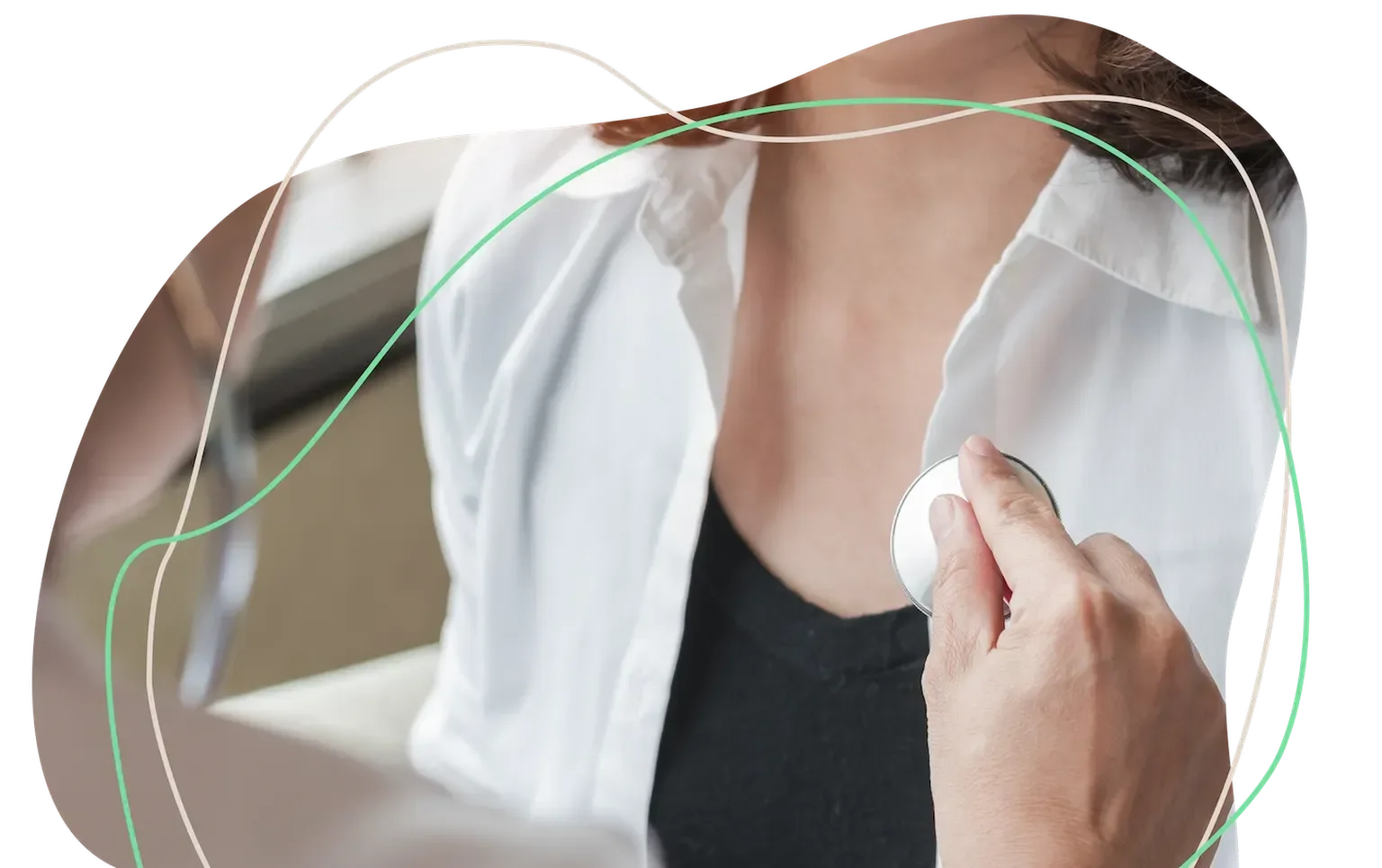
Heart palpitations are sensations of a fluttering, racing, pounding, or irregular heartbeat. While many palpitations are benign and triggered by stress, caffeine, or lack of sleep, persistent or unexplained episodes may signal an underlying heart rhythm disorder. At Vivify Medical in the Financial District of Lower Manhattan, board-certified cardiologist Dr. Amnon Beniaminovitz provides comprehensive evaluation and advanced cardiac rhythm testing to determine the cause of heart palpitations. Our goal is to identify whether your symptoms are harmless or related to arrhythmia or structural heart disease and treat them appropriately.
What are heart palpitations?
Heart palpitations are the sensation that your heart is beating in a way that feels unusual or more noticeable than normal. Patients often describe palpitations as:
Racing
Skipping beats
Fluttering
Pounding
Beating irregularly
Palpitations may last for a few seconds, several minutes, or longer. Some people feel the sensation in the chest, while others notice it in the throat or neck.
Common Causes of Occasional Palpitations
In many cases, palpitations are harmless and temporary. They can occur due to:
Benign Causes
Stress and anxiety
Caffeine
Alcohol
Nicotine
Dehydration
Hormonal fluctuations
Cardiac Causes
Atrial fibrillation
Supraventricular tachycardia (SVT)
Premature atrial contractions (PACs)
Premature ventricular contractions (PVCs)
Bradycardia
Structural heart disease
Identifying whether palpitations are benign or cardiac in origin is essential for proper treatment.
When are palpitations concerning?
Frequent, persistent, or worsening palpitations require medical evaluation to rule out underlying heart conditions, particularly arrhythmia (an abnormal heart rhythm). In some cases, palpitations may be associated with dizziness, shortness of breath, chest discomfort, or fainting symptoms that should never be ignored.
At Vivify Medical, Dr. Beniaminovitz provides comprehensive evaluation for adults experiencing recurrent palpitations. Using advanced diagnostic technologies, we identify the underlying cause and develop a personalized treatment plan to protect your long-term heart health.
When should I see a cardiologist for heart palpitations?
While occasional heart palpitations are often harmless, certain symptoms warrant a prompt cardiology evaluation.
Schedule a Diagnostic Evaluation If You Experience:
Frequent palpitations
A sudden racing heart without a clear trigger
Palpitations accompanied by dizziness or lightheadedness
Shortness of breath
Chest discomfort
A history of heart disease
A prior diagnosis of arrhythmia with new or worsening symptoms
At Vivify Medical, Dr. Beniaminovitz performs a comprehensive evaluation to determine the underlying cause of your symptoms. Diagnostic testing may include:
Electrocardiogram (EKG) to assess your heart’s electrical activity
Echocardiogram to evaluate heart structure and function
Stress testing to assess for exercise-induced arrhythmias
Holter monitor or extended rhythm monitoring to record your heart rhythm over several days
Identifying the cause is essential to determining whether your palpitations are benign or related to a more serious rhythm disorder.
How Are Heart Palpitations Diagnosed?
At Vivify Medical, we perform a detailed cardiovascular evaluation that may include:
Comprehensive symptom review
Medication and stimulant assessment
Electrocardiogram (ECG/EKG)
Echocardiogram
Exercise stress testing
Holter monitoring (24–48 hours)
Extended ambulatory rhythm monitoring
Mobile cardiac telemetry
Because palpitations are often intermittent, rhythm monitoring is one of the most important tools for accurate diagnosis.
Our goal is to correlate your symptoms with your heart’s electrical activity.
How are heart palpitations treated?
Treatment for heart palpitations depends entirely on the underlying cause identified during your evaluation.
If Palpitations Are Benign
Occasional palpitations related to stress, activity, or stimulants often do not require medication. Many patients improve significantly with targeted lifestyle adjustments, including:
Reducing caffeine and alcohol
Improving hydration
Stress reduction strategies
Sleep optimization
Structured, consistent exercise
Avoiding known personal triggers
These foundational strategies can dramatically reduce symptom frequency and improve overall cardiovascular health.
If Palpitations Are Caused by an Arrhythmia
If testing identifies an underlying arrhythmia (abnormal heart rhythm), treatment may include:
Anti-arrhythmic medications
Beta-blockers
Calcium channel blockers
Electrophysiology referral for advanced rhythm evaluation
Catheter ablation (when appropriate)
Pacemaker evaluation for certain rhythm disorders
The right approach depends on the specific type of arrhythmia, symptom severity, and your overall cardiovascular risk profile.
Heart Palpitations and Anxiety: How Do We Tell the Difference?
Palpitations can overlap with anxiety symptoms. However, anxiety does not exclude arrhythmia.
We evaluate:
Rhythm patterns on monitoring
Heart rate trends
Trigger patterns
Structural heart findings
Symptom correlation
Objective cardiac testing ensures that serious heart conditions are not overlooked.
Why Choose Vivify Medical for Palpitations in NYC?
Cardiologist-led rhythm evaluation
Advanced in-office cardiac testing
Comprehensive arrhythmia workup
Personalized treatment plans
Convenient Financial District location
We focus on identifying the exact cause of your symptoms rather than simply suppressing them.
Frequently Asked Questions
-
Many are benign, but some can signal arrhythmia. Persistent or unexplained symptoms should be evaluated.
-
Yes. Low fluid levels can increase heart rate and trigger premature beats.
-
Caffeine is a common trigger, especially in sensitive individuals.
-
Not necessarily. However, cardiac evaluation is important to rule out rhythm disorders.
Schedule a Heart Palpitations Evaluation in Manhattan
If you are experiencing heart flutters, racing heartbeat, or irregular heart rhythms, do not ignore persistent symptoms.
Vivify Medical provides comprehensive heart palpitations evaluation in the Financial District of New York City.
Call today or book your appointment online to schedule your cardiology consultation.