

Standard Stress Test
(Treadmill ECG)
Cardiology & Preventive Heart Care Practice Located in the Financial District, New York, NY
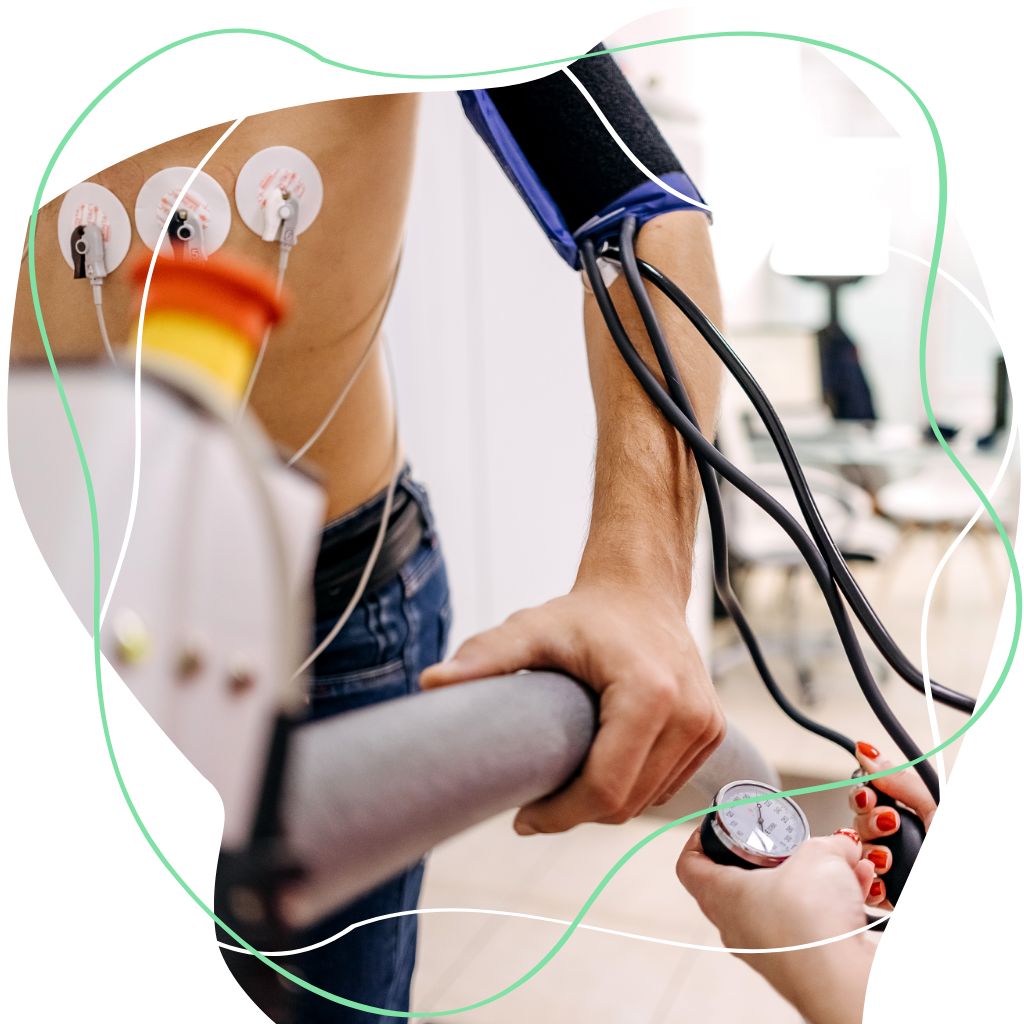
A Standard Stress test (Treadmill ECG) evaluates how well your heart functions during physical activity. Many heart conditions, including coronary artery disease, exercise-induced arrhythmias, may not be apparent when the body is at rest but can become evident during exertion. At Vivify Medical in the Financial District of Lower Manhattan, board-certified cardiologist Dr. Amnon Beniaminovitz performs Stress testing to help evaluate symptoms such as chest pain, shortness of breath, palpitations, dizziness, and irregular heart rhythms. This non-invasive test can also assess exercise tolerance, monitor known heart conditions, and help guide personalized treatment recommendations. Our NYC practice provides comprehensive cardiac evaluation and testing in one convenient location, helping patients gain clarity about their heart health and safely return to their daily activities and exercise routines.
What is a Standard Stress Test?
A Standard Stress Test, also known as an Exercise Stress Test, Treadmill Test, or Exercise ECG, measures how your heart responds to physical activity. By monitoring your heart rhythm, heart rate, blood pressure, and symptoms while you exercise, your cardiologist can evaluate how well your cardiovascular system performs under stress.
Many heart-related symptoms and conditions may not be noticeable when the body is at rest but become apparent during exercise. A standard stress test helps identify these issues and provides valuable information about your overall heart health.
What can a Standard Stress Test Detect?
A standard stress test may help identify:
Coronary artery disease (CAD)
Exercise-induced arrhythmias
Abnormal heart rate responses
Reduced exercise tolerance
Potential causes of chest pain or shortness of breath during activity
The test can also help determine whether your heart is receiving enough oxygen-rich blood during physical exertion.
Who should consider a Stress Test?
Your provider may recommend a standard stress test if you experience:
Chest pain or discomfort during activity
Shortness of breath with exertion
Heart palpitations
Dizziness or lightheadedness
Unexplained fatigue
Decreased exercise capacity
Stress testing may also be appropriate for patients with:
Known or suspected coronary artery disease
High blood pressure
High cholesterol
Diabetes
A family history of heart disease
Abnormal EKG findings
What happens during a Standard Stress Test?
At Vivify Medical, stress testing is performed under the supervision of experienced cardiovascular professionals.
Step 1: Preparation
Small electrodes are placed on your chest to monitor your heart's electrical activity. Your resting blood pressure and EKG are recorded before exercise begins.
Step 2: Exercise Monitoring
You will walk on a treadmill while the speed and incline gradually increase. Throughout the test, your heart rhythm, heart rate, blood pressure, and symptoms are continuously monitored.
The test continues until you reach your target heart rate, develop symptoms, or your cardiologist determines enough information has been collected.
Step 3: Recovery
After exercise, monitoring continues as your heart rate and blood pressure return to normal. Your cardiologist reviews the results for signs of abnormal heart rhythms, reduced blood flow, or other cardiovascular concerns.
Most patients complete the test in less than an hour and can return to normal activities shortly afterward.
Why would I need a Standard Stress Test?
A stress test may be recommended to:
Evaluate chest pain
Investigate shortness of breath
Assess exercise-related symptoms
Detect abnormal heart rhythms
Evaluate cardiovascular fitness
Monitor known heart conditions
Assess treatment effectiveness
Determine safe levels of physical activity
What are the benefits of a Standard Stress Test?
A standard stress test is:
Non-invasive
Widely available
Safe and well-established
Effective for evaluating exercise-related symptoms
Helpful in assessing cardiovascular risk
The results can help guide additional testing, treatment decisions, and lifestyle recommendations.
Why choose Vivify Medical for a Stress Test in NYC?
At Vivify Medical in Lower Manhattan, patients receive more than a diagnostic test—they receive a comprehensive cardiovascular evaluation. Board-certified cardiologist Dr. Amnon Beniaminovitz personally reviews your results and develops recommendations tailored to your symptoms, risk factors, and long-term health goals.
Our practice offers:
Board-certified cardiology expertise
Personalized cardiovascular assessment
Convenient Lower Manhattan location
Integrated preventive cardiology services
Continuity of care and long-term heart health management
Whether you are experiencing symptoms or seeking a proactive evaluation of your cardiovascular health, our team provides expert guidance every step of the way.
Frequently Asked Questions
-
Most standard stress tests take approximately 30 to 60 minutes, including preparation, exercise, and recovery monitoring. The exercise portion itself usually lasts between 6 and 15 minutes.
-
A standard stress test evaluates how your heart responds to physical activity. It can help identify abnormal heart rhythms, reduced blood flow to the heart, exercise intolerance, and other signs of cardiovascular disease.
-
No. A standard stress test monitors your heart's electrical activity (EKG), heart rate, blood pressure, and symptoms while you exercise. A stress echocardiogram includes ultrasound imaging of the heart before and after exercise to assess heart muscle and valve function.
-
Your provider may recommend avoiding caffeine, smoking, or certain medications before testing. Wear comfortable clothing and walking shoes suitable for exercise. Specific instructions will be provided before your appointment.
-
In many cases, patients are advised not to eat a large meal for several hours before the test. Your provider will give you specific instructions based on your medical history and medications.
-
Yes. Standard stress testing is a safe and commonly performed diagnostic procedure. Your heart rhythm, blood pressure, and symptoms are continuously monitored throughout the test by trained medical professionals.
Schedule a Standard Stress Test Today
A standard stress test provides valuable information about your heart's performance during exercise and can help identify potential cardiovascular issues before they become more serious. Schedule your stress test at Vivify Medical in Lower Manhattan today. Call our office or book online to get expert cardiac evaluation and personalized care from board-certified cardiologist Dr. Amnon Beniaminovitz.