

Optimal Nutrition for Running: Beyond Carb-Loading
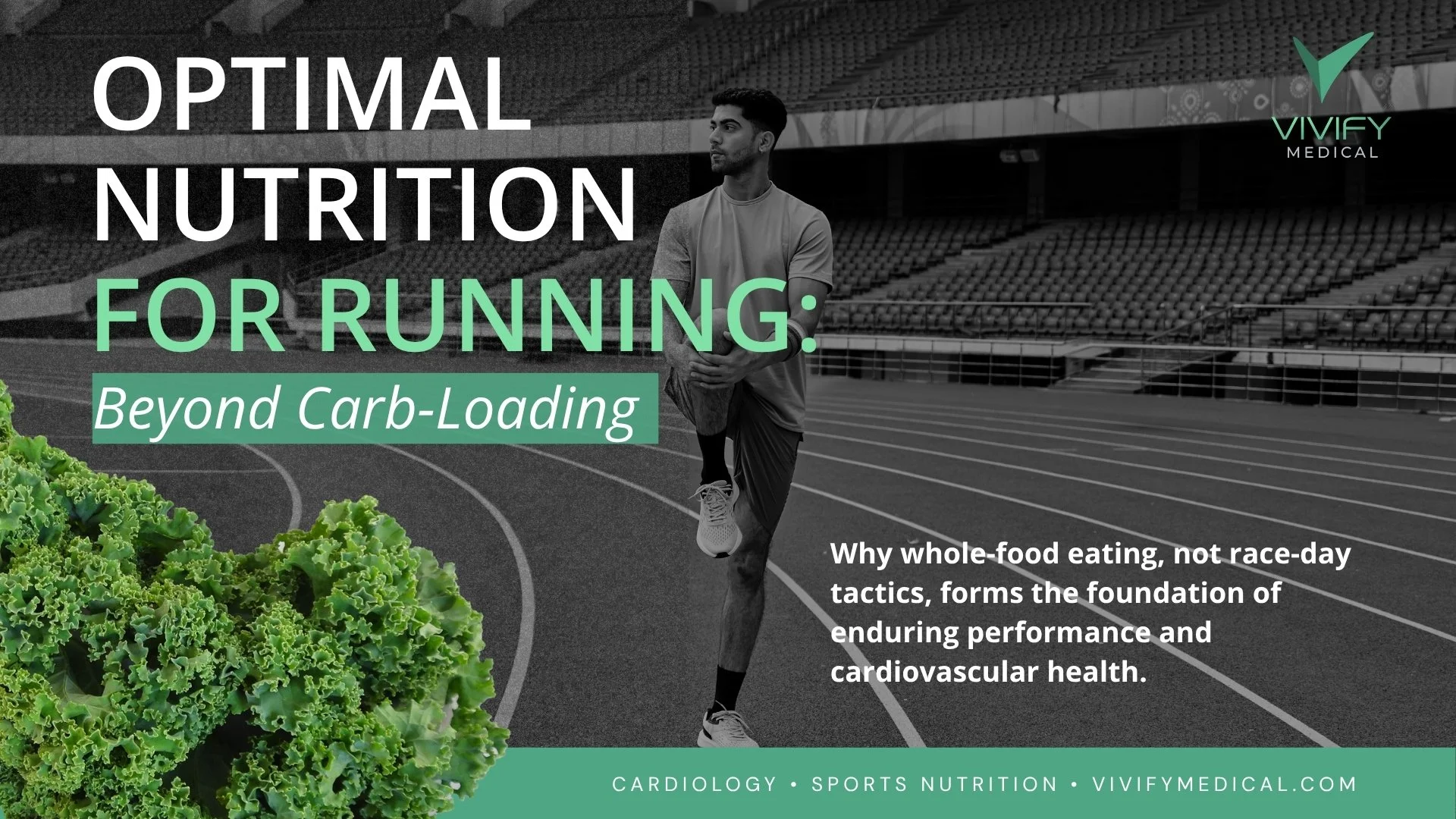
As a cardiologist who logs miles alongside my patients, I've watched a persistent myth take hold in running communities: that performance nutrition begins and ends with carbohydrate manipulation. The truth is at once simpler and more demanding: optimal nutrition for runners is built on the same sound, balanced eating that supports human health in every other context.
Research consistently demonstrates that a diet rich in whole foods (lean proteins, a wide variety of vegetables, and complex carbohydrates) promotes sustained energy, muscular resilience, and long-term cardiovascular wellness. No single macronutrient strategy can replace the synergistic benefits of eating well, every day, over years and decades.
Protein: The Recovery Cornerstone
Muscle & Repair
For runners accumulating meaningful mileage, lean protein is not optional; it is structural. Each footstrike generates micro-damage in muscle tissue that must be repaired and rebuilt between sessions. Poultry, fish, eggs, legumes, and quality plant sources such as tempeh or edamame provide the amino acid spectrum necessary for this continuous process.
Insufficient protein intake is one of the most underappreciated causes of stalled performance and recurring injury in recreational runners. Aim to distribute protein intake across meals rather than concentrating it at a single sitting; the body can only utilize so much at once for muscle protein synthesis.
“Protein isn't only about recovery; it plays a central role in immune function, hormone regulation, and bone density, all of which are under greater stress in high-mileage runners.”
Carbohydrates: Complex, Not Compulsive
Fuel & Endurance
Carbohydrates are, without question, the primary fuel for aerobic exercise. But the quality and timing of carbohydrate intake matters as much as quantity. Whole grains, lentils, legumes, sweet potatoes, and oats release glucose gradually, sustaining energy levels across long training runs without the sharp peaks and crashes associated with refined sugars.
Strategic carbohydrate boosting (commonly called carb-loading) does have an evidence base before major endurance events of 90 minutes or more. However, it is a specific intervention for specific circumstances, not a daily operating principle. Runners who treat carb-loading as a lifestyle rather than a targeted tool often find themselves carrying excess glycogen stores that contribute to unnecessary body weight without meaningful performance benefit.
Fuel Source -
Whole Grains: Oats, brown rice, quinoa: Steady glucose release, B vitamins, and fiber for gut health.
Protein -
Lean Sources: Poultry, fish, lentils, edamame: Complete amino acids for muscle repair and immune support.
Micronutrients -
Vegetables: Leafy greens, cruciferous varieties, and colorful produce deliver antioxidants that combat exercise-induced oxidative stress.
Healthy Fats -
Omega-3 Rich Foods: Fatty fish, walnuts, and flaxseed support cardiovascular health and reduce systemic inflammation.
Body Composition: Efficiency Over Aesthetics
Long-Term Health
Consistent running, particularly at volume, tends to produce leaner body composition naturally, a byproduct of energy expenditure rather than a target to chase through restriction. This lean muscle mass does enhance running economy, the physiological metric that predicts how efficiently a runner converts metabolic energy into forward motion.
Yet the instinct to under-fuel in pursuit of a "racing weight" is one of the most physiologically damaging errors a runner can make. Nutrient-dense eating ensures that the adaptation to training (stronger bones, more efficient mitochondria, improved cardiac output) actually occurs. A body in caloric deficit cannot fully realize the gains that hard training makes possible.
The Cardiovascular Dimension
Heart Health
Speaking as a cardiologist, I want to be emphatic: nutrition for runners is not separate from nutrition for heart health. It is the same conversation. The Mediterranean-style dietary pattern that consistently emerges from cardiovascular research, emphasizing olive oil, fish, vegetables, legumes, and whole grains, overlaps almost perfectly with what supports endurance performance.
Runners have a natural advantage: they are already engaging in one of the most potent cardiovascular interventions available. Pairing that activity with sound nutrition compounds the benefit, supporting healthy lipid profiles, blood pressure regulation, and arterial flexibility well into later decades.
The science, in sum, is unambiguous. Habitual whole-food eating supports sustained performance, recovery, and long-term health in ways that no single supplement, race-week protocol, or dietary trend can replicate. Run well. Eat well. The two are not separate goals; they are the same goal, pursued with the same whole-person intention.
Dr. Amnon Beniaminovitz, MD
Lead Cardiologist — Vivify Medical PLLC
Dr. Beniaminovitz is a board-certified cardiologist and long-distance runner who brings both clinical expertise and personal athletic experience to his approach to preventive cardiovascular medicine. He practices at Vivify Medical PLLC, where his focus encompasses heart health, performance nutrition, and the intersection of lifestyle and longevity.
Vivify Medical PLLC · This article is intended for informational purposes and does not constitute personal medical advice. Make an appointment with Vivify Medical before making significant changes to your diet or training.