
Echocardiogram Test
Advanced Heart Screening and Diagnostics in the Financial District, New York, NY
“An echocardiogram test is one of the most important noninvasive diagnostic tests used to evaluate heart health and detect cardiovascular disease often before symptoms develop. At Vivify Medical in the Financial District of Lower Manhattan, board-certified cardiologist and heart specialist Dr. Amnon Beniaminovitz provides same-day heart screenings. This painless ultrasound allows for fast, accurate assessment of heart structure and function, helping to prevent serious complications.”
Advanced Echocardiogram and Heart Ultrasound Testing in NYC
An echocardiogram, often called a cardiac ultrasound or simply an echo, is a safe, noninvasive imaging test that uses high-frequency sound waves to capture real-time, moving pictures of your heart as it beats. Unlike static images or simple rhythm tests, an echocardiogram lets a cardiologist observe your heart muscle actively squeezing, relaxing, and circulating blood throughout your body.
Because it provides dynamic, live-action views without radiation or needles, an echocardiogram is one of the most reliable tools in modern medicine for evaluating cardiac function and uncovering heart conditions early. At Vivify Medical in the Financial District of Manhattan, we offer on-site echocardiography and stress echocardiograms, giving you immediate access to comprehensive heart evaluations without long hospital delays or multi-facility referrals.
What Does an Echocardiogram Evaluate?
During the exam, sound waves bounce off the tissues of your heart to create detailed measurements across several critical areas:
Heart Chambers and Walls: Evaluates the exact size, thickness, and structure of your heart's four chambers, ensuring the muscle has not stretched, enlarged, or thickened abnormally.
Pumping Strength: Calculates your ejection fraction, which is the percentage of blood your left ventricle pumps out with each heartbeat. This is a primary metric used to diagnose or rule out heart failure.
Heart Valve Function: Checks whether your heart valves open wide enough to let blood through without restriction, and whether they close tightly enough to stop blood from leaking backward.
Wall Motion and Circulation: Examines how evenly each segment of the heart muscle contracts. Weak or sluggish movement in a specific area can indicate reduced blood flow from coronary artery blockages or past heart attack damage.
Pericardial Space: Checks for any abnormal fluid buildup within the pericardium, the protective sac surrounding your heart.
Why Would You Need a Cardiac Ultrasound?
Your doctor may order an echocardiogram to investigate unexplained physical symptoms, evaluate cardiovascular risk, or monitor an existing diagnosis.
Common symptoms that warrant an echocardiogram include:
Chest pain, chest pressure, or tightness
Shortness of breath during routine activity or when lying down flat
Heart palpitations, fluttering sensations, or skipped beats
Unexplained lightheadedness, dizziness, or fainting spells
Swelling in your legs, ankles, or feet, which can point to fluid retention
A heart murmur or unusual sound heard through a stethoscope during an exam
An echocardiogram is also frequently ordered for preventative and diagnostic reasons, such as:
Investigating abnormal findings on a routine electrocardiogram (EKG)
Assessing long-term effects of high blood pressure (hypertension)
Monitoring recovery and heart muscle health after a heart attack
Pre-operative cardiac clearance to ensure your heart is strong enough for upcoming non-cardiac surgery
Conditions Diagnosed and Monitored with Echocardiography
By providing clear visuals of both structure and blood flow, an echocardiogram is instrumental in detecting and tracking conditions such as:
Heart Failure: Clarifying whether the heart muscle is weakened (systolic failure) or stiff and unable to relax properly (diastolic failure).
Heart Valve Disease: Diagnosing stenosis (narrowed, rigid valves) or regurgitation (leaky valves that allow blood to backflow).
Cardiomyopathy: Identifying structural changes in the heart muscle, whether it has become enlarged, abnormally thick, or rigid.
Coronary Artery Disease: Spotting areas of the heart that are not receiving adequate blood flow, especially during a stress echocardiogram.
Congenital Heart Defects: Detecting structural irregularities present since birth.
Intracardiac Blood Clots: Locating dangerous blood clots inside the heart chambers before they can travel and cause a stroke.
Pulmonary Hypertension: Measuring blood pressure levels inside the vessels connecting your heart and lungs.
What to Expect During Your Appointment
An echocardiogram is gentle, painless, and requires no anesthesia or downtime.
Preparation: You will change into an exam gown and lie comfortably on an examination table, typically turned slightly toward your left side to bring your heart closer to the chest wall.
Sensor Placement: Small, adhesive electrode patches are placed on your chest to record your heart rate and rhythm simultaneously.
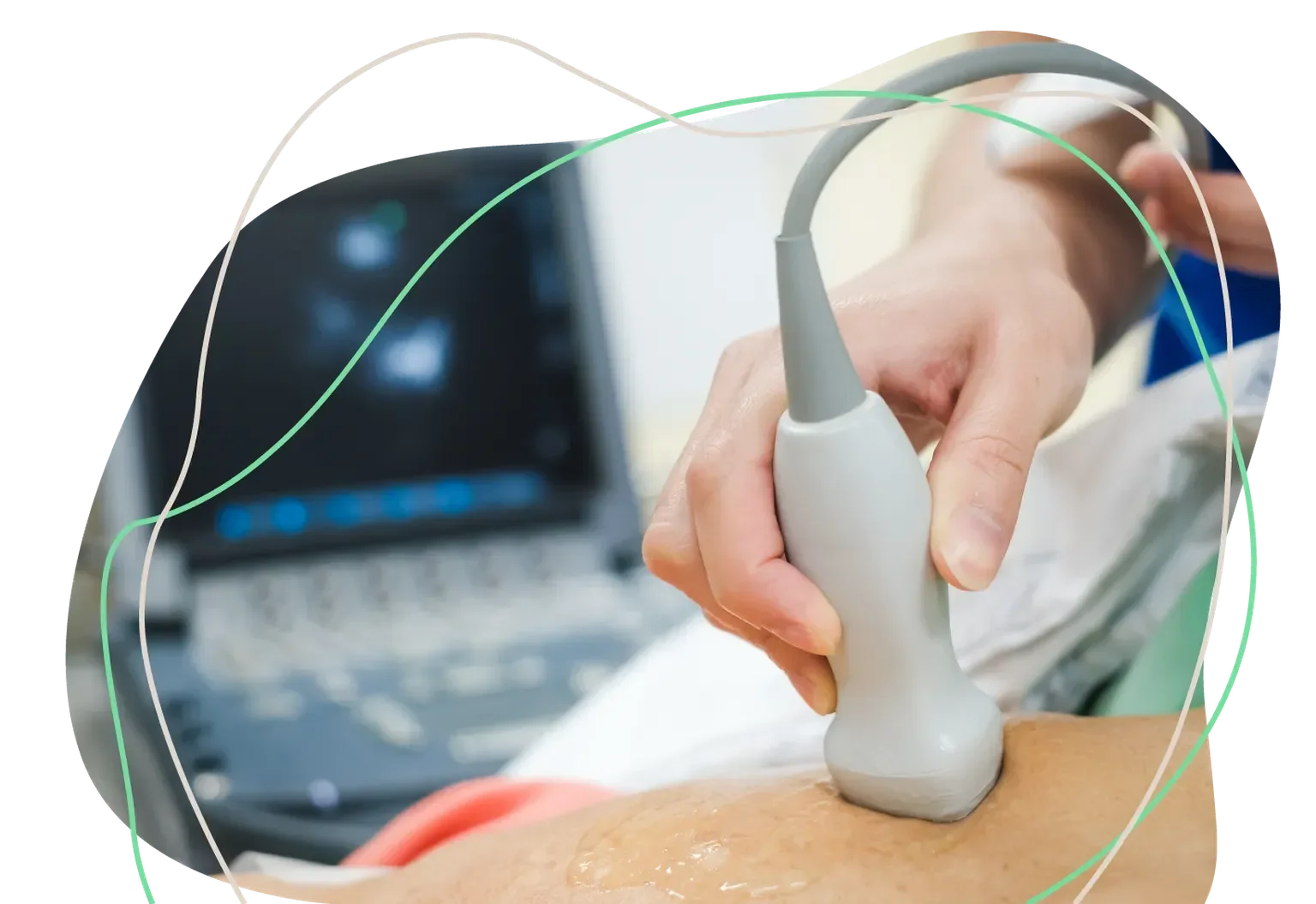
Ultrasound Imaging: A specialized cardiac sonographer applies a small amount of warm, water-soluble gel to your chest. The technician gently glides a smooth handheld sensor, called a transducer, across different areas of your ribcage.
Sound and Breathing Adjustments: You may hear a swooshing sound from the machine as it tracks blood flow through your valves. You may also be asked to hold your breath for a few seconds at certain points to help capture the sharpest possible images.
The standard exam takes between 30 and 45 minutes. Once the gel is wiped away, you can immediately return to your normal daily schedule, work, or exercise.
Direct Review with Vivify Medical Cardiologists
At Vivify Medical, you will not have to wait weeks wondering what your imaging showed. Dr. Amnon Beniaminovitz personally reviews and interprets your echocardiogram results.
During your consultation, he walks you through your images step-by-step to explain:
How effectively your heart muscle is pumping
The health and performance of your valves
Your overall cardiovascular risk profile
A clear, personalized treatment or prevention strategy
If your test indicates that further diagnostic imaging, lifestyle changes, or targeted medications are needed, your care plan begins right away in the same office.
Why Choose Vivify Medical for Heart Ultrasound Testing in NYC?
Direct Cardiologist Interpretation: Your images are reviewed directly by a board-certified cardiologist, ensuring diagnostic precision.
Comprehensive In-Office Diagnostics: From resting echoes to stress echocardiograms and preventive screenings, our diagnostic suite is housed on-site.
No Referral Roadblocks: Skip lengthy hospital waiting lists and fragmented appointments with our direct scheduling model.
Seamless Care Continuity: We provide expert cardiology care so your complete health picture is managed under one roof.
Transparent Access and Coverage: We accept most major health insurance plans, offer same-week appointment availability, and our administrative team assists with prior authorizations to help streamline your coverage.
Accessible Lower Manhattan Location: Centrally located at 125 Maiden Lane in the Financial District, convenient to multiple transit lines.
Schedule Your Echocardiogram Today
Whether you are investigating new symptoms, fulfilling a pre-surgical requirement, or staying proactive about your cardiovascular health, accurate imaging provides the answers you need. Contact Vivify Medical today to schedule your cardiac ultrasound.
(Emergency note: If you are experiencing sudden, severe chest pain, shortness of breath, unexplained fainting, or numbness, please call 911 or visit the nearest emergency room immediately.)